
Calendula: Ally Against Gut Inflammation
You may be noticing a lot of talk about gut health lately. There’s a reason for this. The health of the gut is key to the health of the rest of the body. An unhealthy gut is a drag on overall health.
What, exactly, is the gut?
Some refer to the stomach and intestines as the gut. Others consider just the intestines to be the gut. Both function in digestion—the physical and chemical breakdown of food into its constituent nutrients—and absorption, the selective passage of nutrients into circulation to nourish all of our cells. If either digestion or nutrient absorption are suboptimal, then overall health is, too.
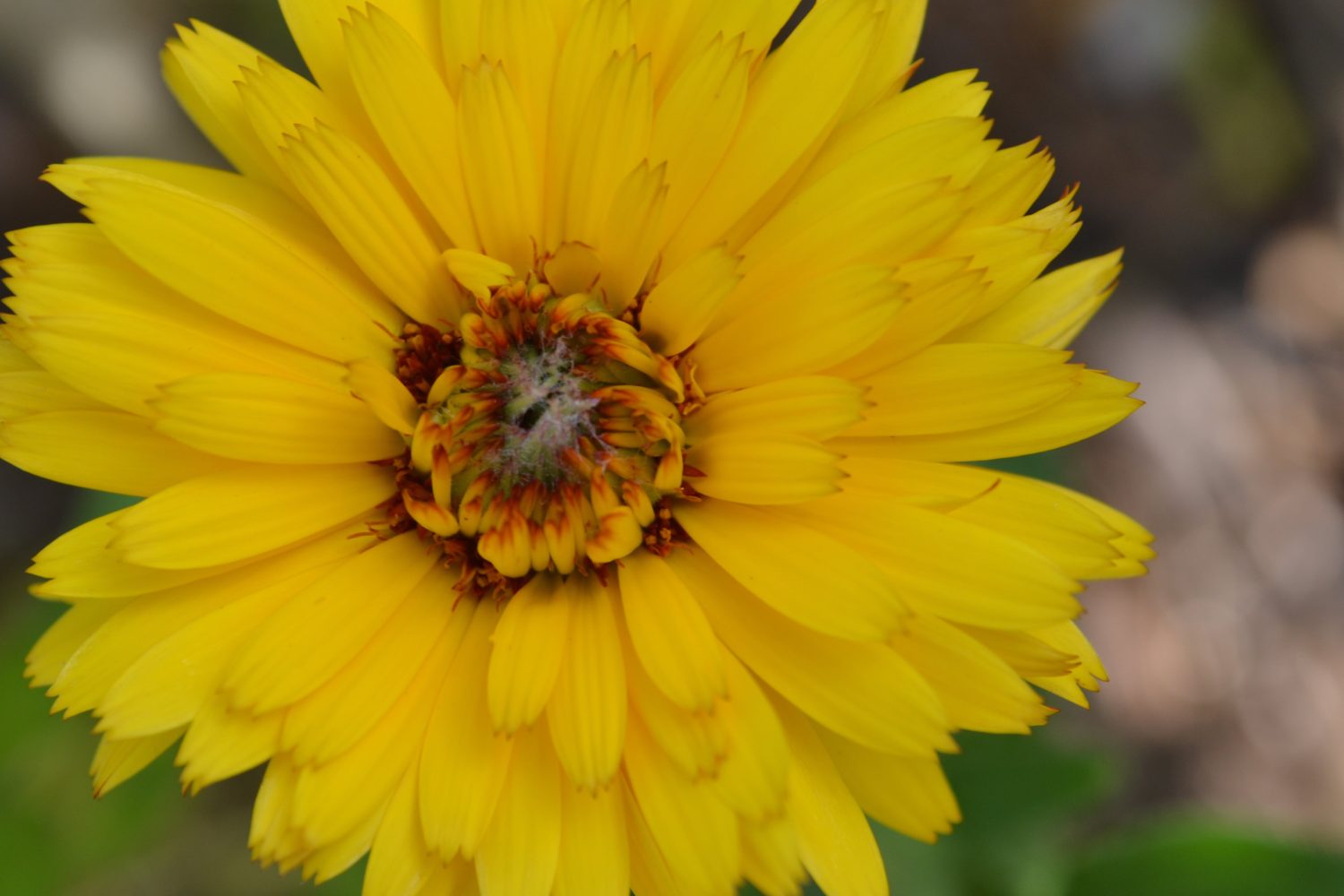
Calendula blossom / photo by Dara Saville
Join Marija for Gut Inflammation, Hormones, and Mood Imbalance Live Online: February 10, 2024
What is inflammation?
Inflammation is mediated by the immune system. Inflammatory responses evolved as a protective response against infections, cancer, and irritating substances, while also participating in tissue healing. Inflammation is supposed to be a temporary response, and it’s a problem when it becomes chronic.
With respect to the gut, chronic inflammation damages the integrity of the gut lining, impacting it’s ability to selectively let nutrients through while blocking passage of unwanted stuff. “Leaky gut syndrome” can develop, in which the cells lining the gut are no longer stuck together as tightly as they should be. As the name implies, leaky gut allows substances that normally are kept in the gut to escape the gut and pass into circulation. This triggers more inflammation in a vicious cycle. Typically, inflammation, leaky gut, and imbalances in the gut microbial population (“dysbiosis”) co-occur and feed into one another.
Why does chronic inflammation happen in the gut?
There are many factors that can precipitate gut inflammation. A biggie is poor digestion, which, itself, can come from chronic stress, inadequate rest, eating too quickly, eating foods that one’s body doesn’t handle well (gluten is tough to digest for many folks), too much alcohol consumption, certain medications, and even “constitutional” digestive deficiencies. Aside from nutritional deficiencies, poor digestion results in partially digested food molecules lower in the digestive tract where most of the gut microbes reside. These molecules interact with both the microbes and the immune system in the gut, and this trifecta of factors precipitates gut inflammation.
However, weak digestive function isn’t the only cause of gut inflammation. Certain medications, too much alcohol, unhealthy foods (especially ultra-refined foods and fried foods), a low fiber diet, un-addressed stress, inadequate sleep, and even genetics can directly lead to gut inflammation.

Calendula Garden Patch / photo by Marija Helt
Beyond the gut
Inflammation originating in the gut doesn’t remain just in the gut. Instead, inflammatory chemicals produced by the immune system and resident microbes in the gut, as well as whatever leaked through into circulation from a leaky gut, enter circulation and travel around the body, negatively impacting other tissues and organs. Leaky gut, gut inflammation, and dysbiosis can ultimately impact cognitive function and mood, increase arthritis risk and pain, predispose one to allergies and autoimmune reactivity, impact thyroid function, disrupt sex hormone balance, and much more.
I’ve experienced this myself. When I eat foods that I don’t digest properly (my favorites…bread, pasta, and dairy), it sets off an inflammatory response that significantly disrupts my mood the next day. This is on top of the bloating after eating such foods. How do I know it’s an inflammatory response? When I’m taking an anti-inflammatory drug, as I did after hip surgery, the wild mood swings don’t happen. (No, I’m not going to start living on ibuprofen so I can eat bread. It damages the gut with frequent use.)
So, how does calendula help?
First, understand that taking an herb isn’t sufficient to correct gut inflammation. The factors mentioned earlier regarding diet, eating habits, stress, and such, are of primary importance. With that as a foundation, calendula (Calendula officinalis) can then do its thing. Adding in a good quality probiotic and/or eating foods that have active cultures is also a good idea.
The traditional use of calendula flowers—the entire flowering head, not just the petals—for improving digestion and soothing the digestive tract goes back many centuries. Calendula’s support, indeed, starts with digestion. It’s a mildly bitter herb (due to its content of chemicals known as triterpenes, if you care). Bitters stimulate production of digestive fluids and enzymes before a meal has even begun. Taking bitters before a meal (or even right afterwards) is traditional in many cultures. (Refer to earlier in the article for the importance of good digestion.)
Calendula contains polysaccharides and other chemicals that support balanced immune system function in the gut. This means helping the body to resist infections or overgrowth of an unruly resident gut microbe, while also dialing down aberrant immune system responses such as chronic inflammation.
Calendula is an “astringent” herb. Astringency is due to chemicals such as flavonoids that can “tighten” tissues through interactions with proteins on the surface of cells. Calendula is one of the herbs that practitioners reach for to support gut barrier function to counter leaky gut. As a “vulnerary” herb, calendula also promotes tissue healing. This is relevant to issues such as ulcerations and other damage to the gut lining. (A note on stomach ulcers… The mild digestive bitter function of calendula can mean improved acid production. While this is protective against the formation of new ulcers, it can irritate an ulcer that’s already there. If you’ve got an ulcer, consult with an herbalist for other support before starting on calendula, to avoid any potential irritation.)
No herb is the “right” herb for everyone. Calendula works best with low energy or low mood folks who have a predilection for food intolerances, a feeling of stagnation, and a swollen tongue that presses into the teeth.
Calendula flowers are typically used as a tea, tincture, infused oil, dried powder, or as food (added to soups and stews). (Also, Calendula-infused butter or olive on popcorn is divine.) Powdered is the form I most often use for gut healing, as it contains all of the chemical goodies relevant for gut health. I am starting to experiment with it as a combined tea/tincture that will also contain a lot of the goodies, but in more concentrated form.
Calendula is easy to grow. An annual or biennial, it will self seed each year if given some water. Calendula isn’t particular as to soil. It spread to solid clay soil alongside my home where there was roof water run off from the roof. “Pot Marigold” is another common name for Calendula, but don’t let this confuse it with true Marigolds (Tagetes species).
Dr. Anna Marija Helt is an herbalist based in Durango, Colorado. She offers in person and online herbal consultations for health. She can be contacted through www.osadha.com for inquiries.
This article is for educational purposes only and is not meant to diagnose or treat a disease, or to supplant the advice of a licensed health care provider.


